
Consulting
Helping you understand the composition, structure,
and function of your landscape
Land Management
Once you answer the questions of “who,” “how many,” and “when,” then you’re ready to contemplate which actions you can take to increase biodiversity and abundance on the lands that you manage.
Biological Surveying
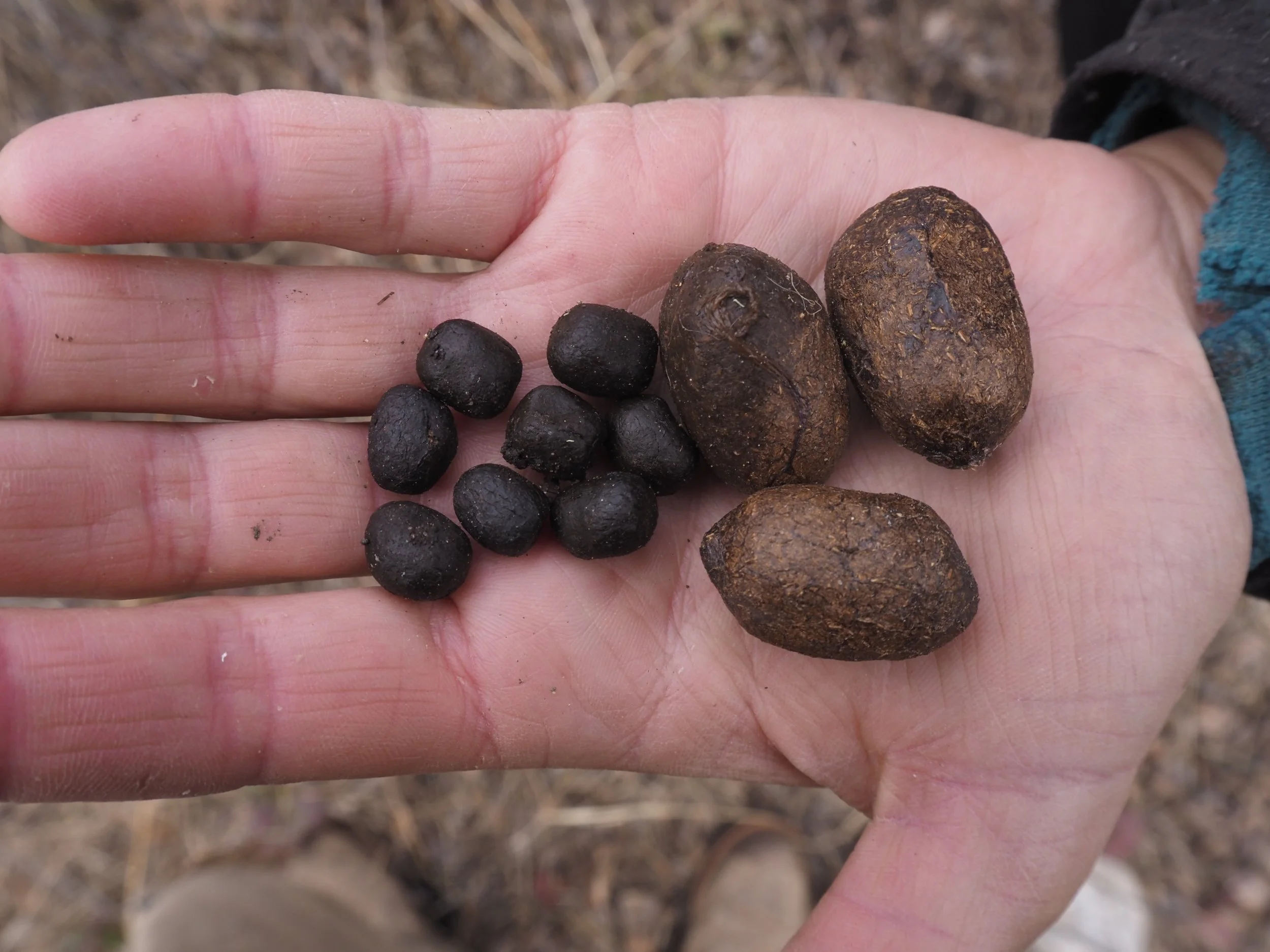
Knowing which organisms are inhabiting a landscape is the first step towards understanding how to manage your land. We can help you discover who is using the land at different scales and different seasons, and how they’re utilizing resources such as food, water, and cover.
Scroll down to learn more…
Biological Surveying
We offer various services to help you understand the species
composition and the seasonal use of resources.
-
We tailor a survey to your needs depending on budget and level of detail required. Reporting can be as simple as a presence/absence species list, or as complex as a interactive maps showing landscape use across differing timescales.
-
We can help design a camera array to assess species presence and seasonal use.
-
We can help you understand what’s growing on your land and what species may be absent that could provide benefit.
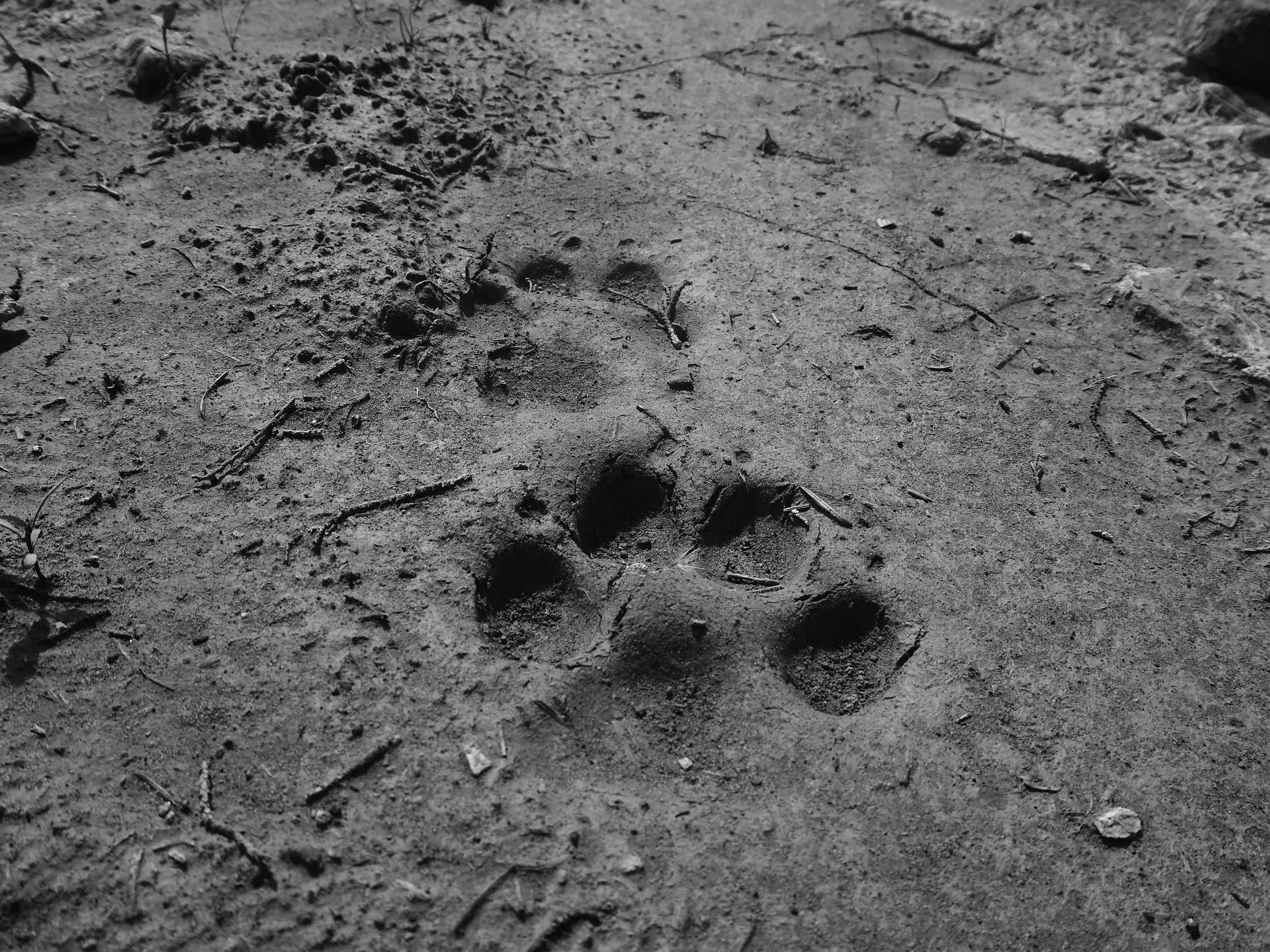
Land Management
To increase biodiversity and/or and abundance, we help you
create management plans to improve ecosystem structure and function.
-
Low-Tech Process-Based Restoration (LTPBR) for low flow and intermittent stream beds
Beaver dam analogs, one rock dams, etc
Revegation plan
-
Invasive weed identification and mapping
Small-scale woodland management to promote plant and animal diversity
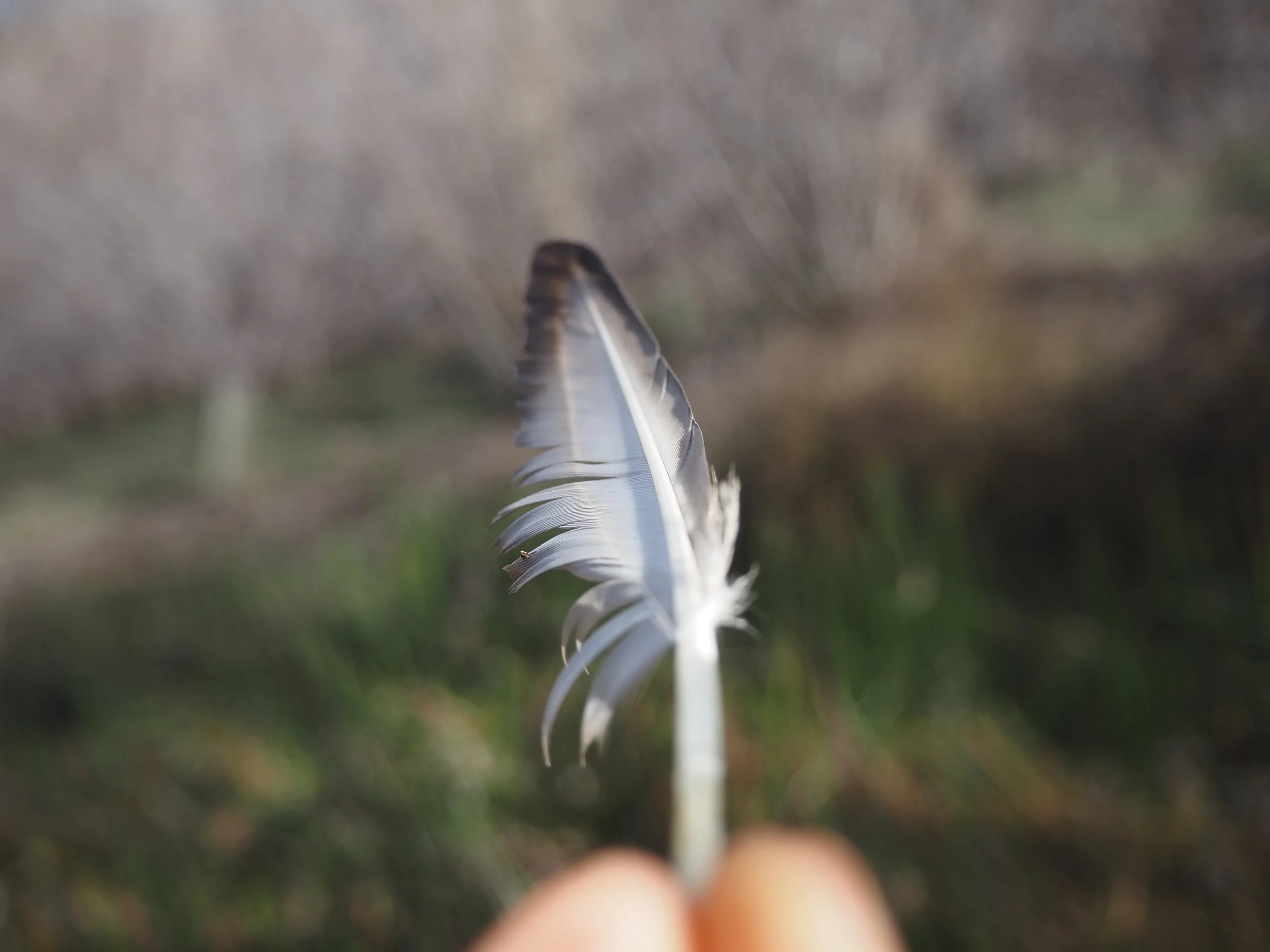
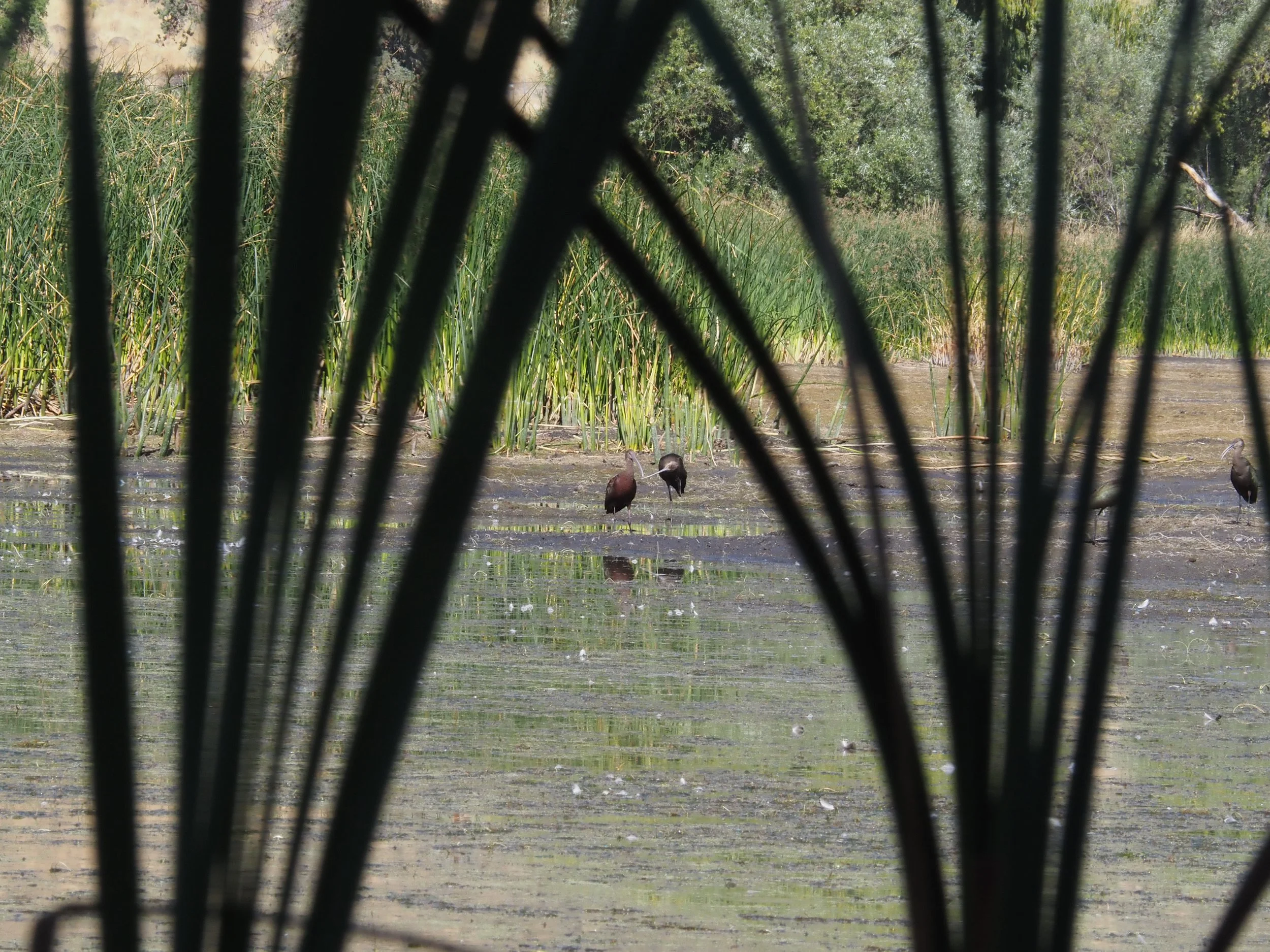
White-Faced Ibis (CA)
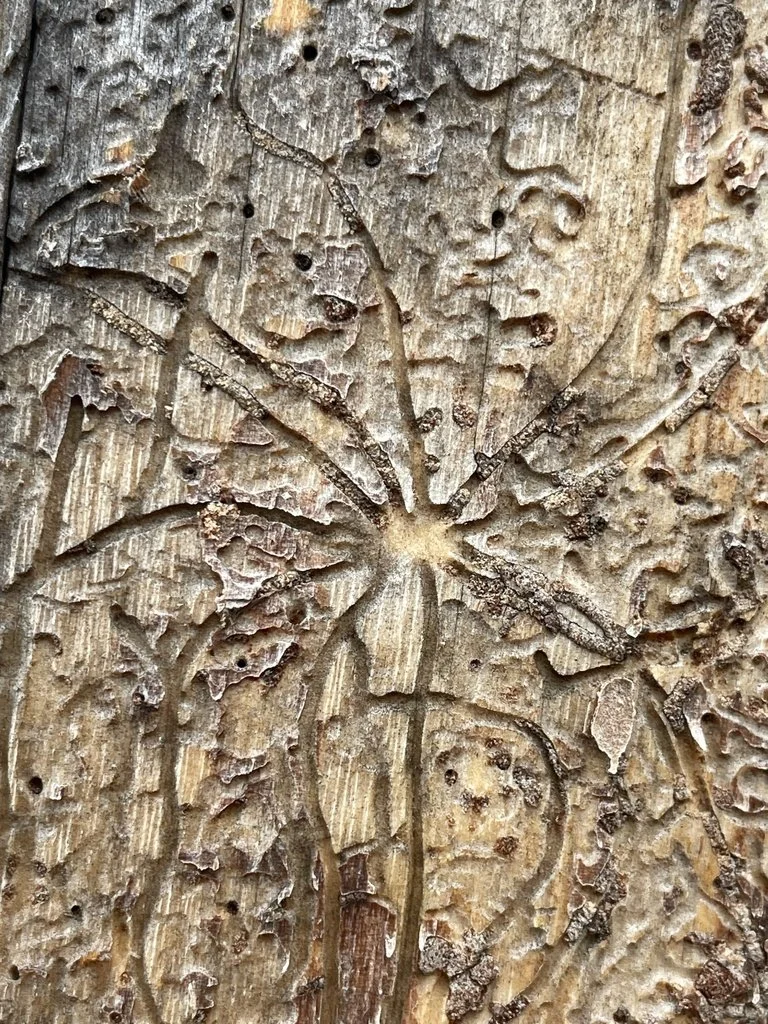
Bark Beetle gallery (MT)
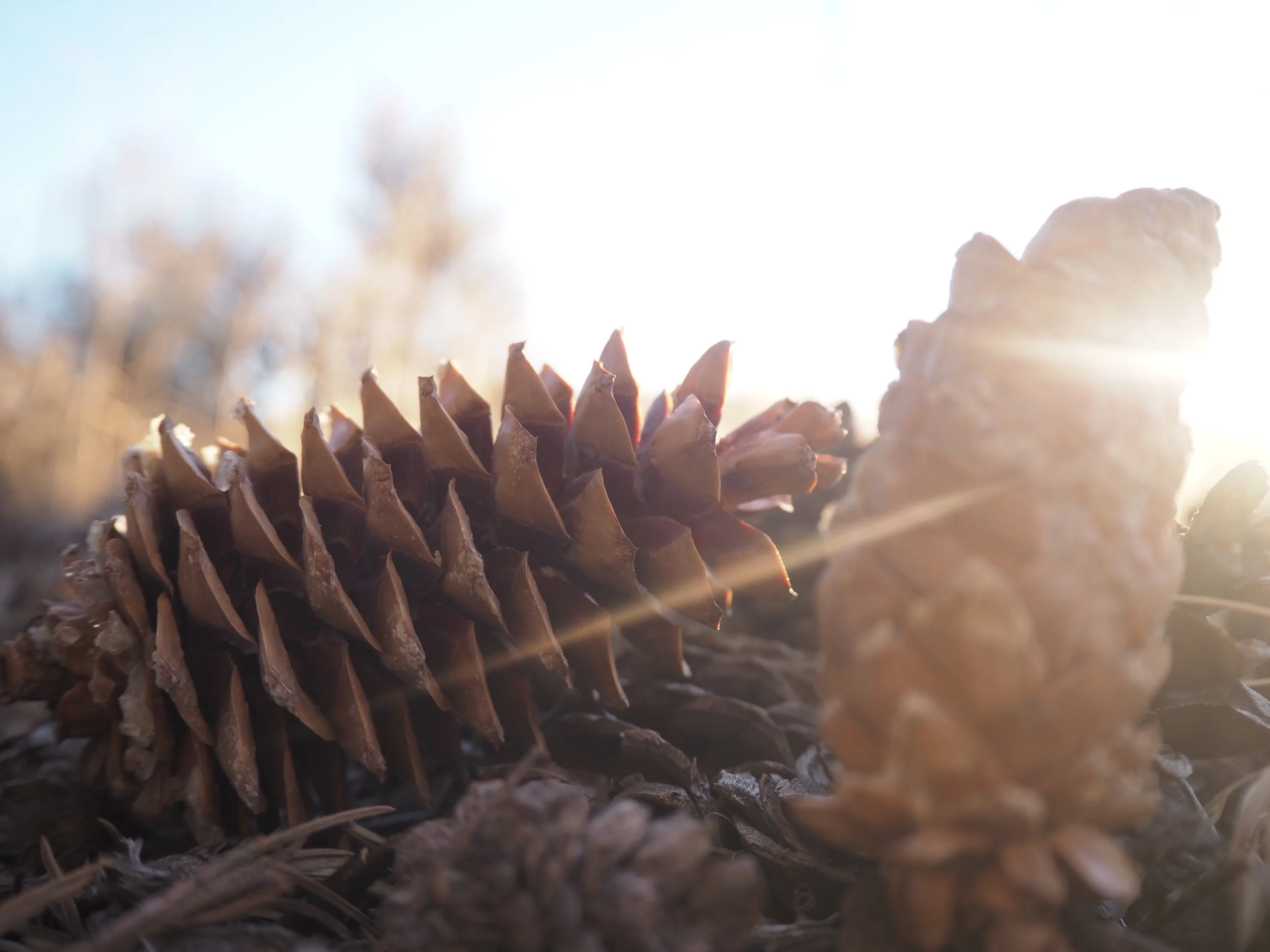
Limber Pine cones (MT)
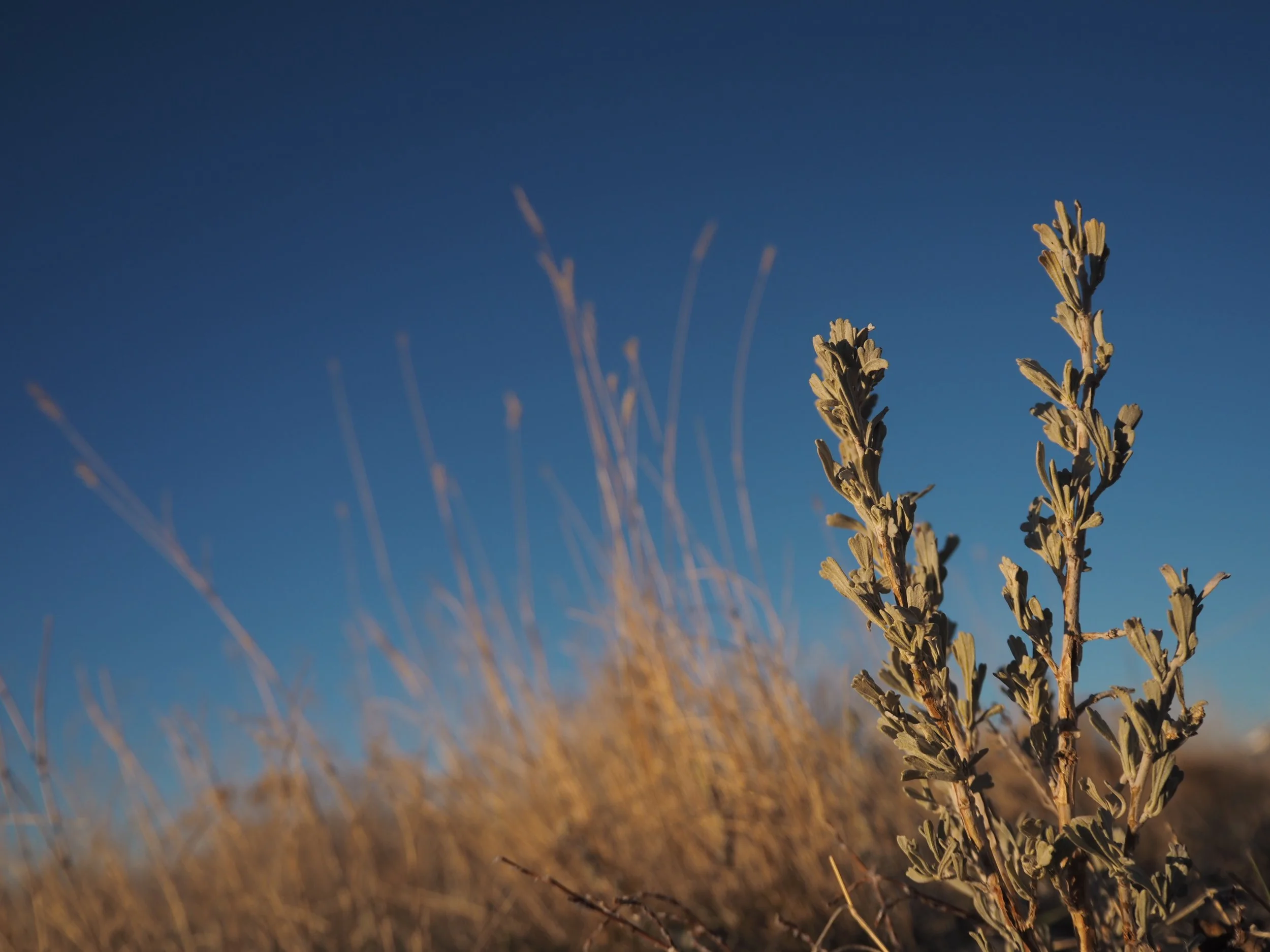
Big Sagebrush (MT)
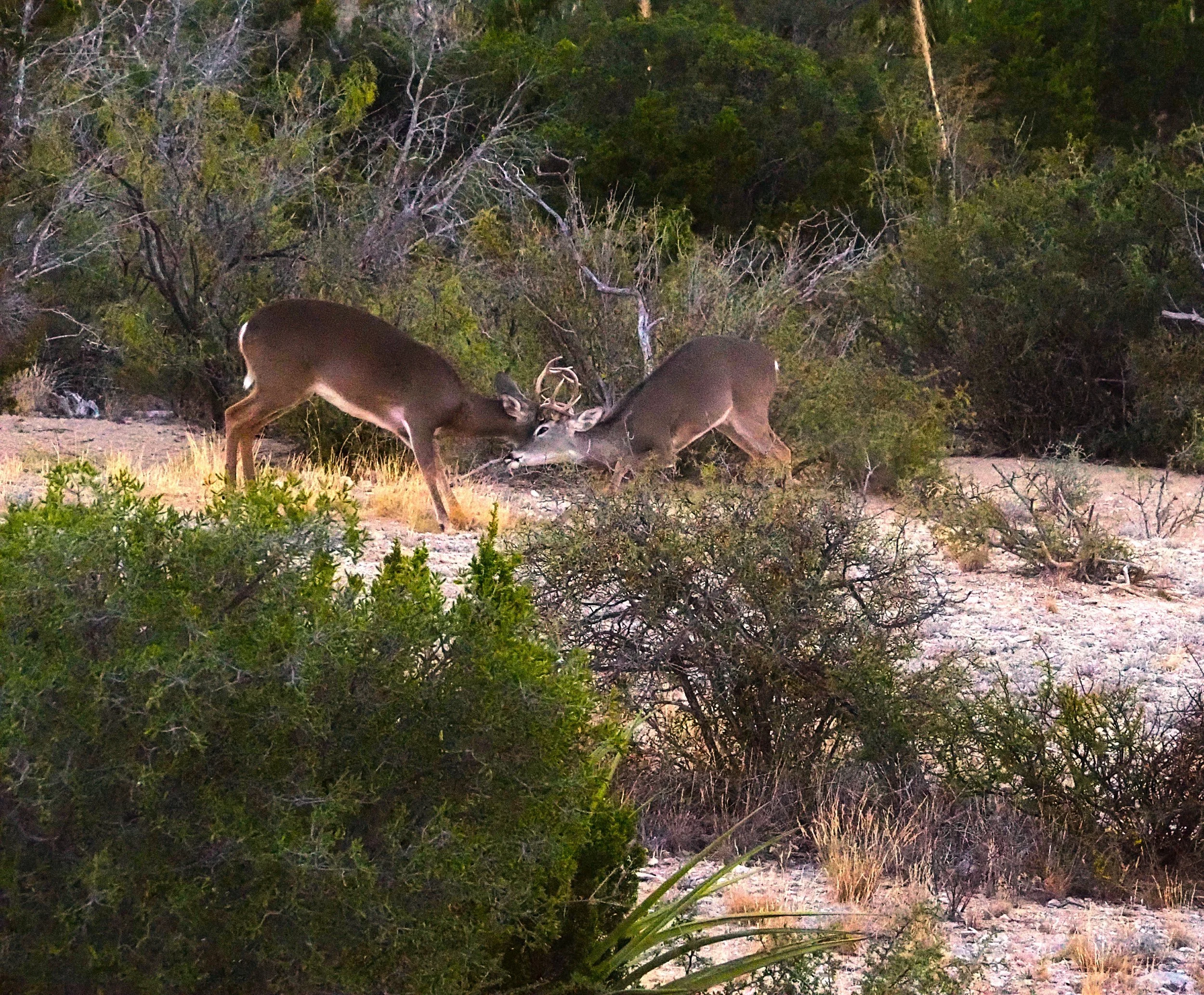
White-tailed Deer (TX)
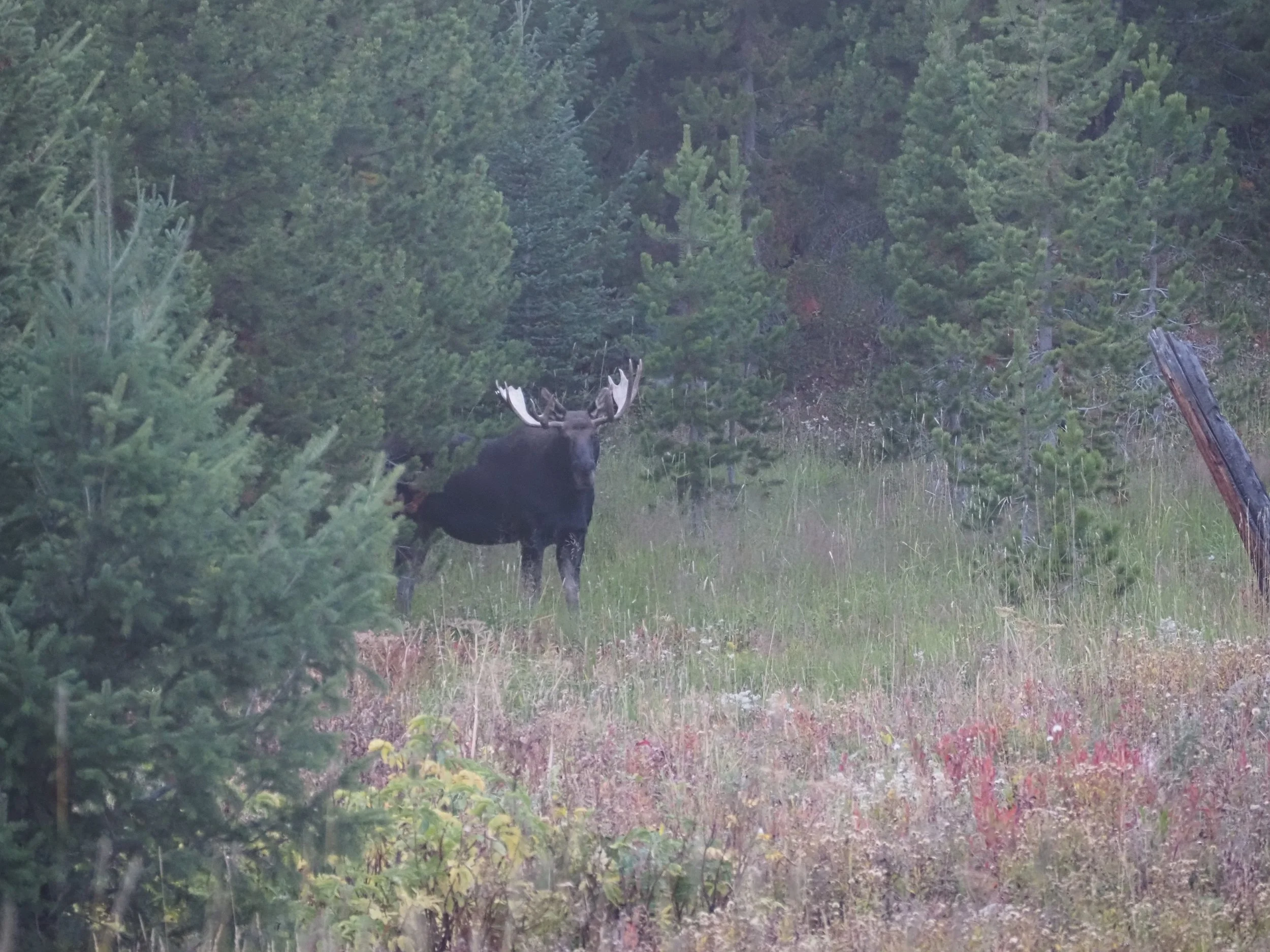
Moose (MT)
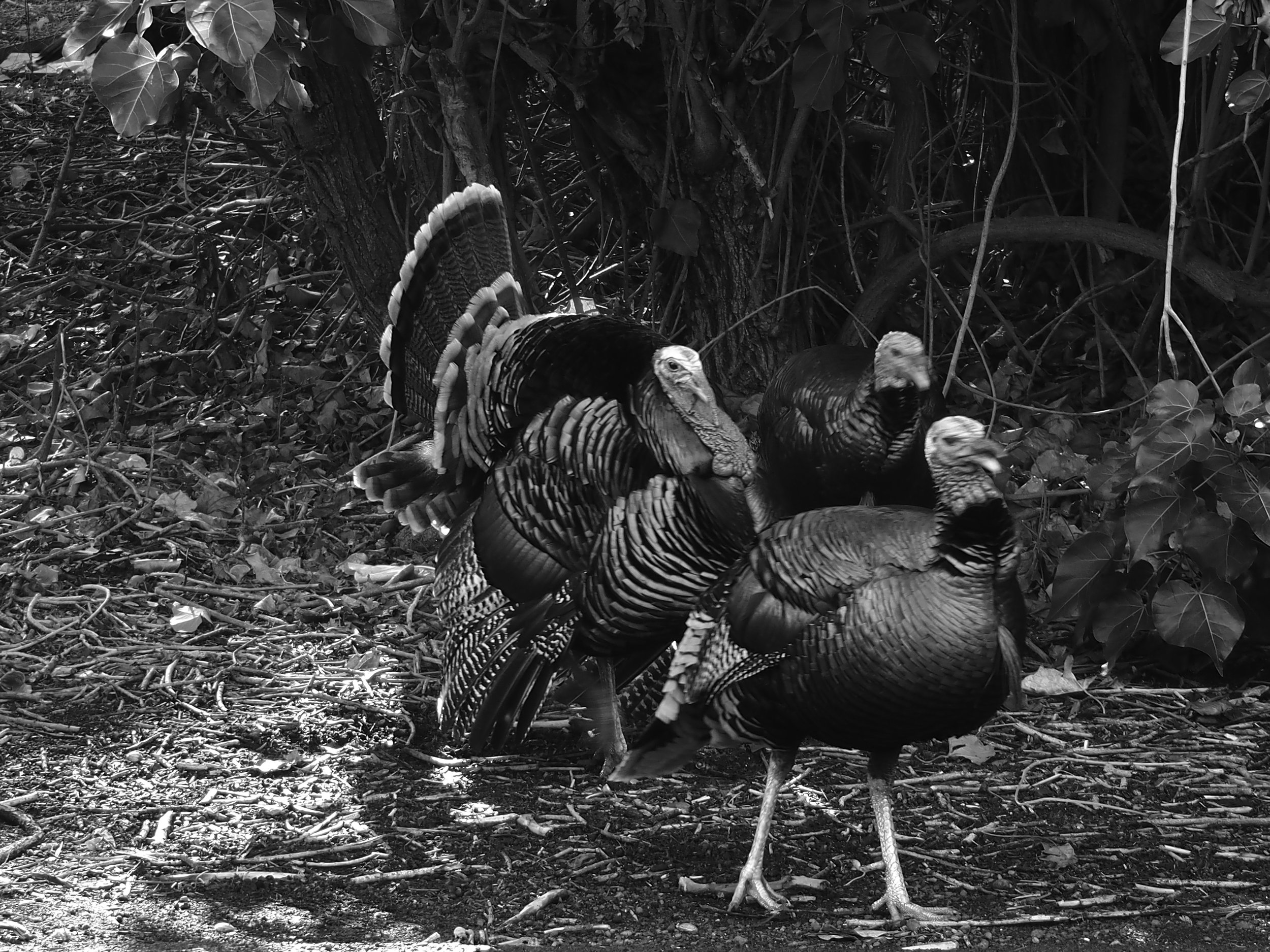
Turkeys (HI)
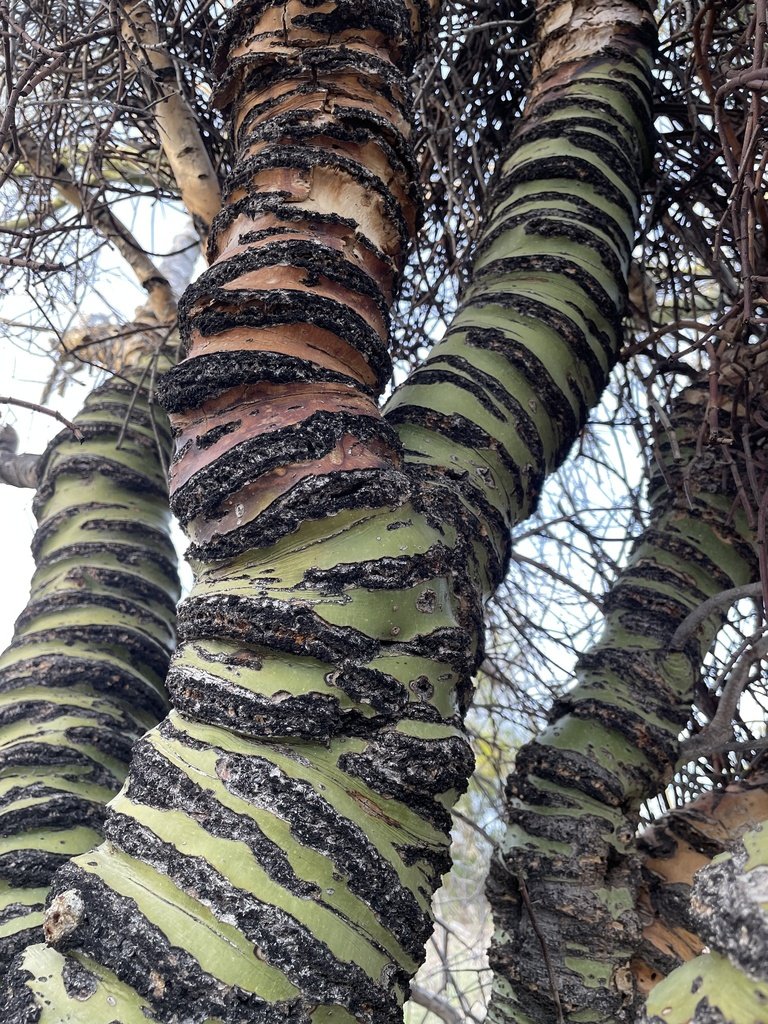
Sapsucker wells (AZ)
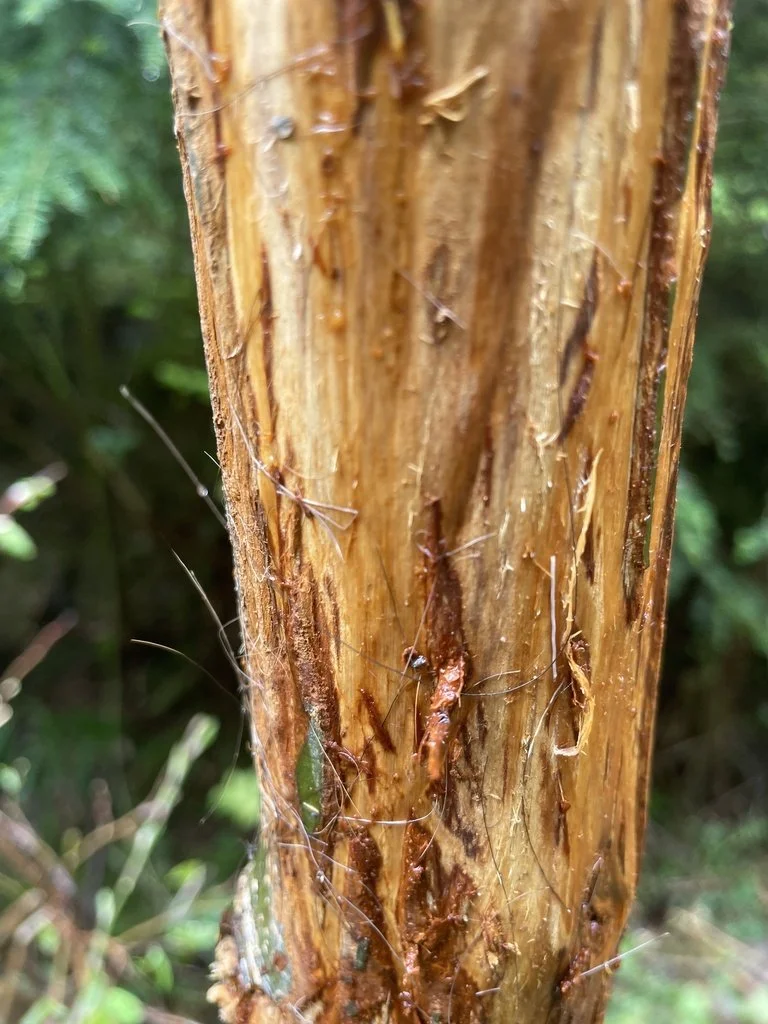
Elk incisor marking on scent post (WA)
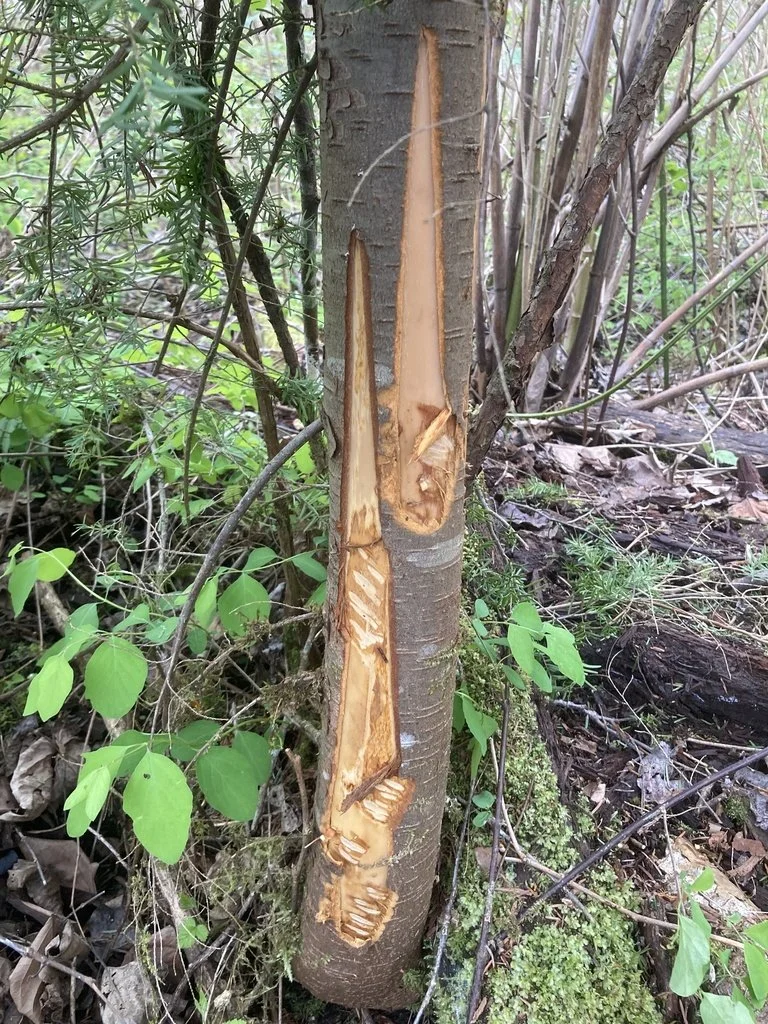
Black bear cambium feeding (WA)
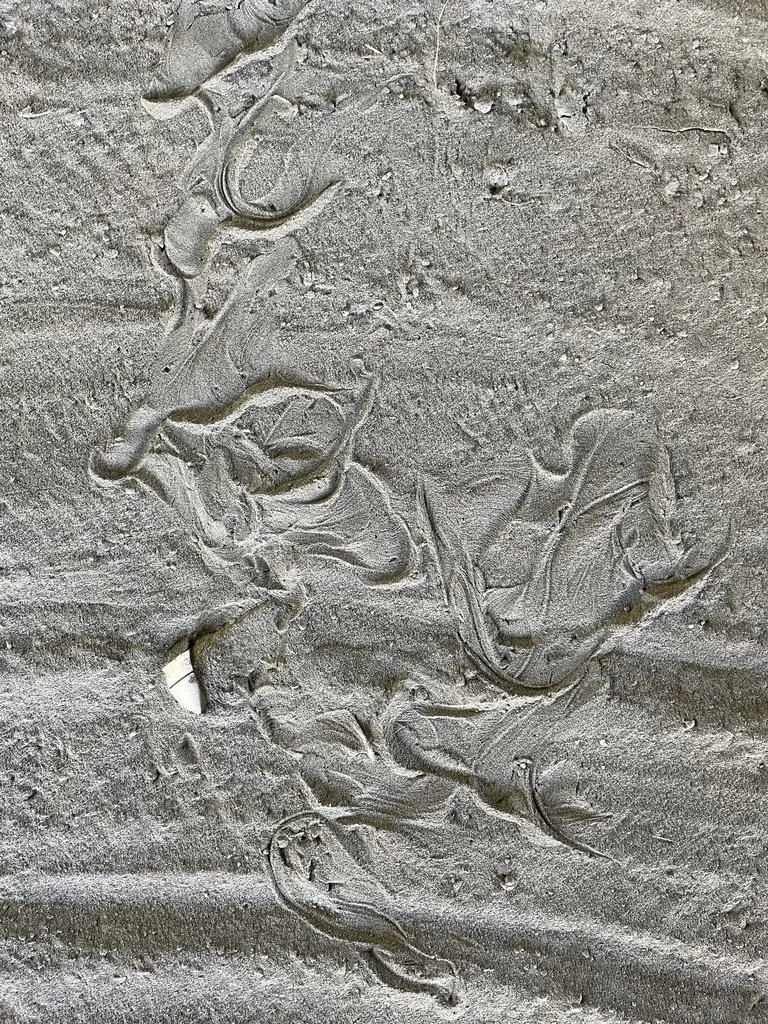
Garter snake (WA)
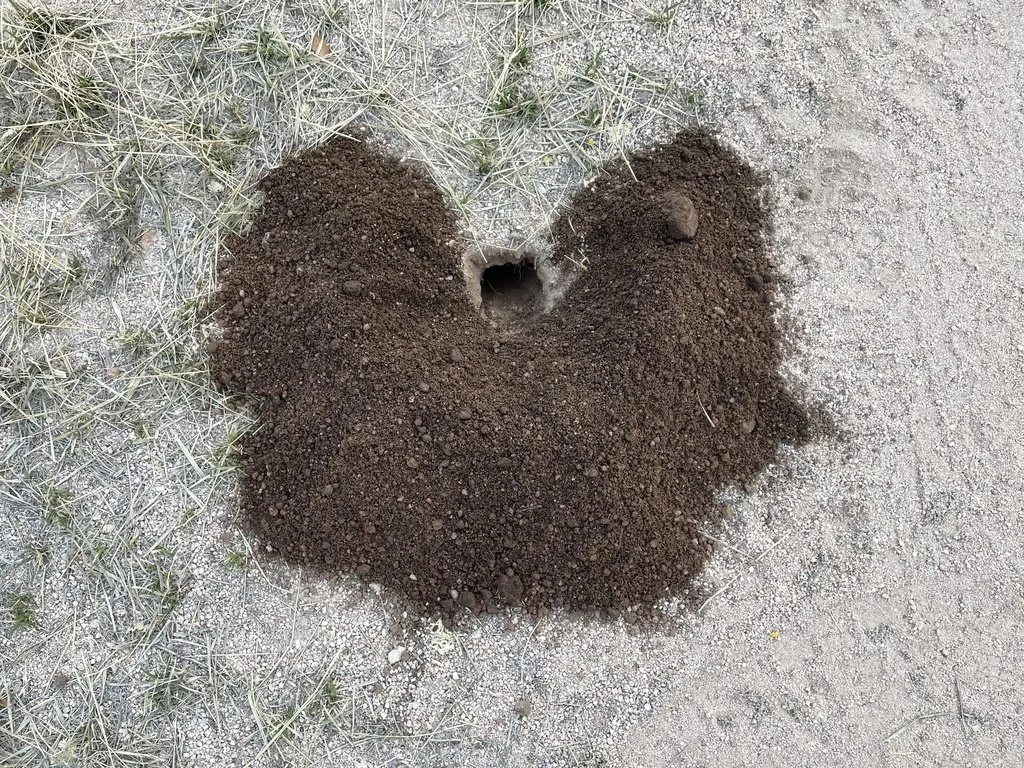
Fulvous pocket gopher (AZ)
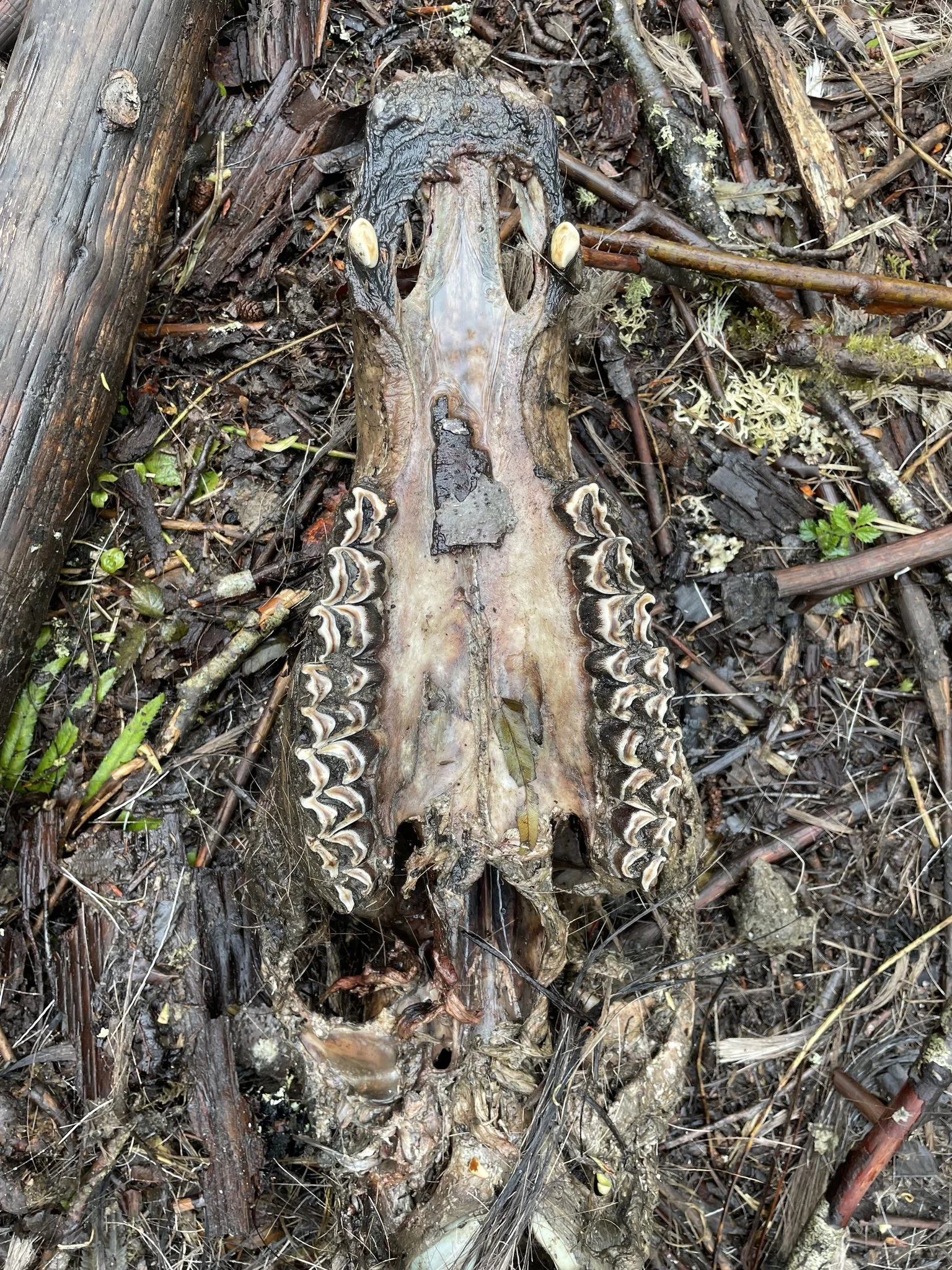
Elk killed by mountain lion (WA)
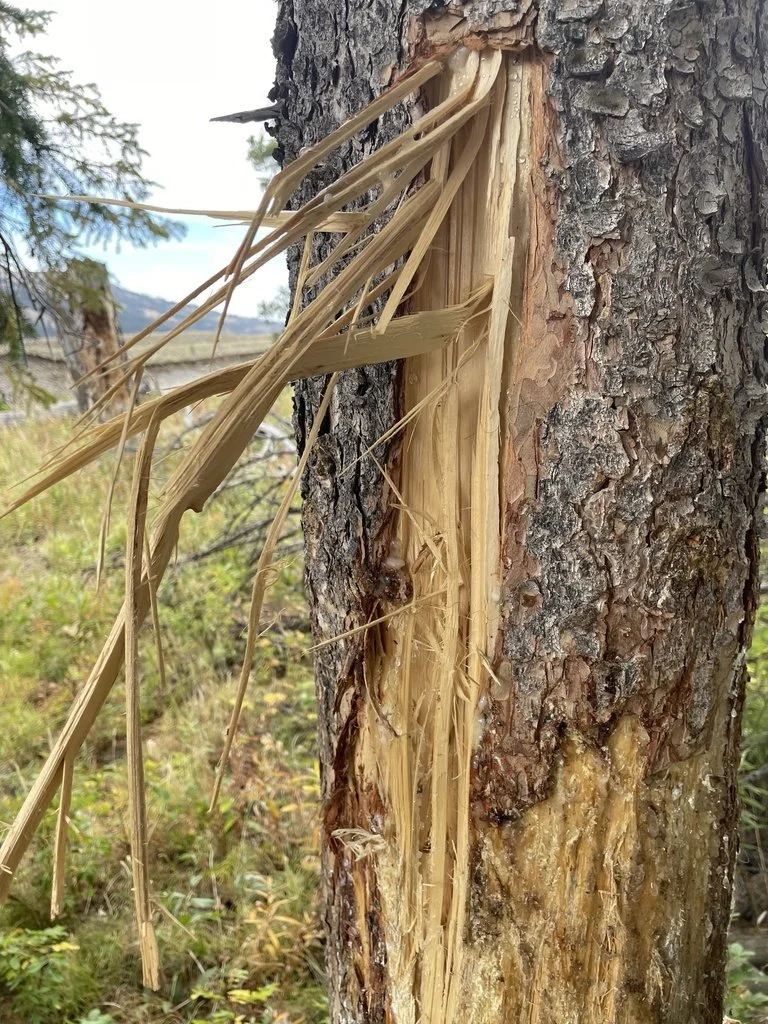
Bison horning lodgepole (MT)
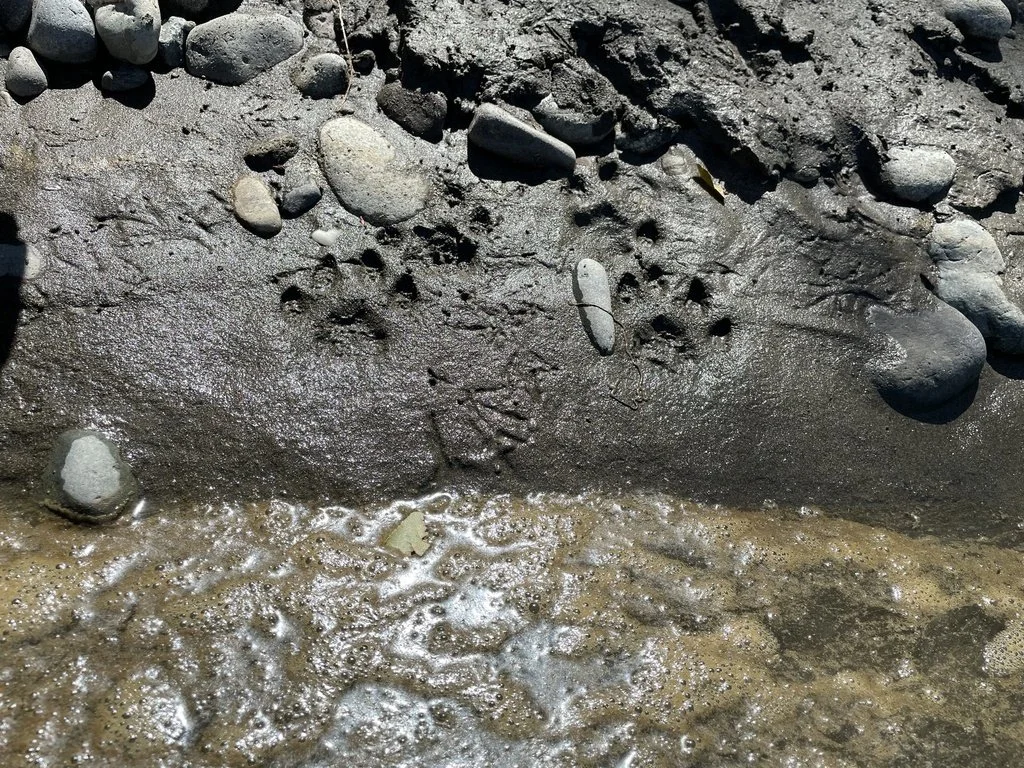
Bobcat jumping down from log (WA)
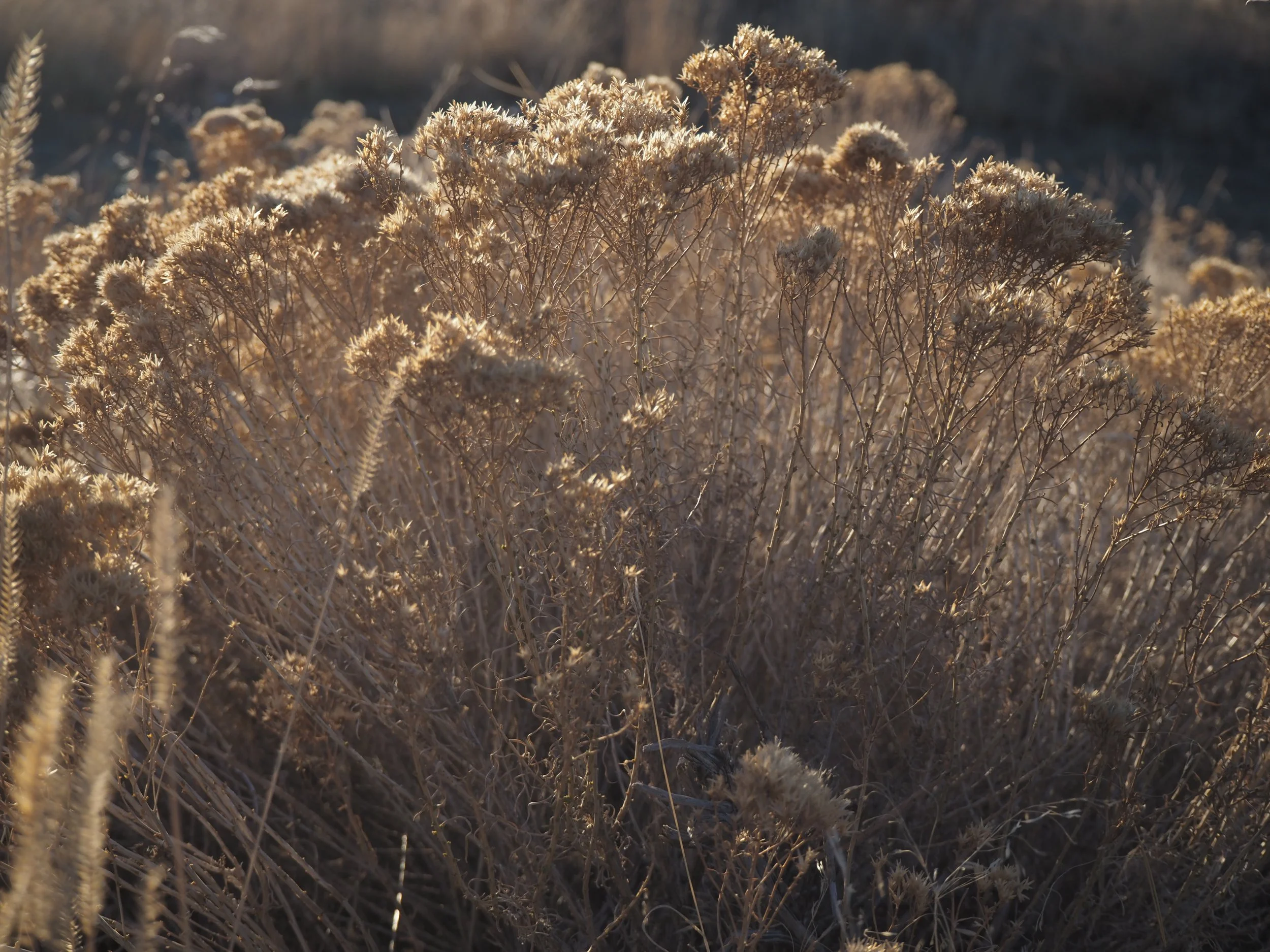
Yellow rabbitbrush (MT)
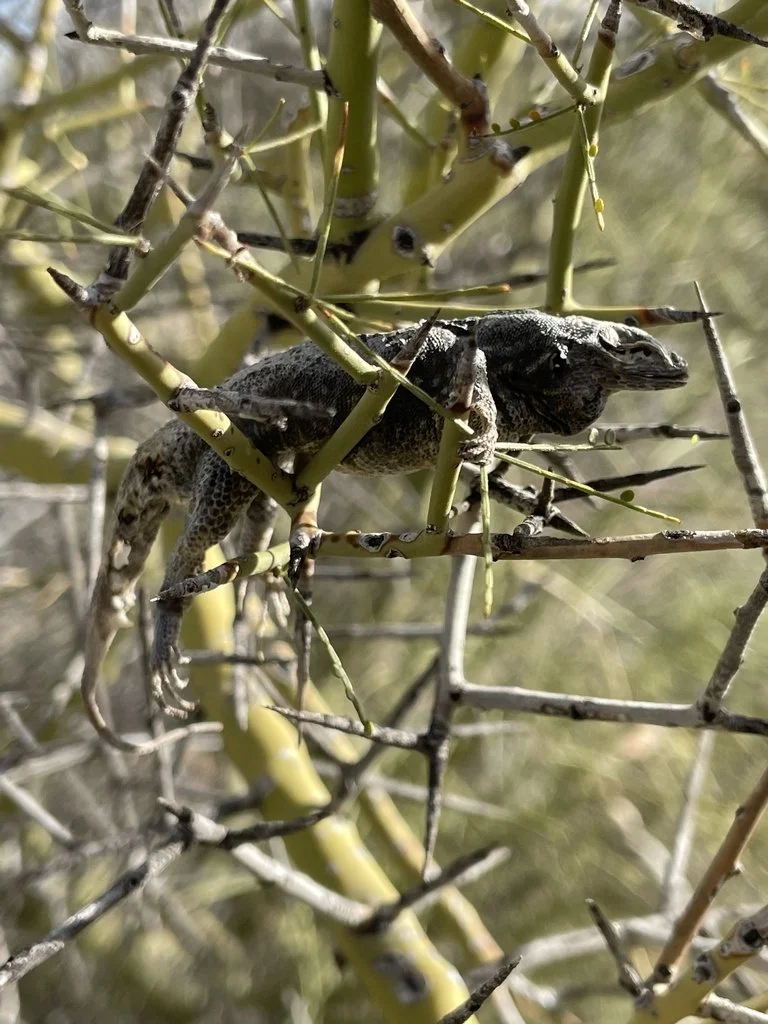
Loggerhead shrike cache (AZ)
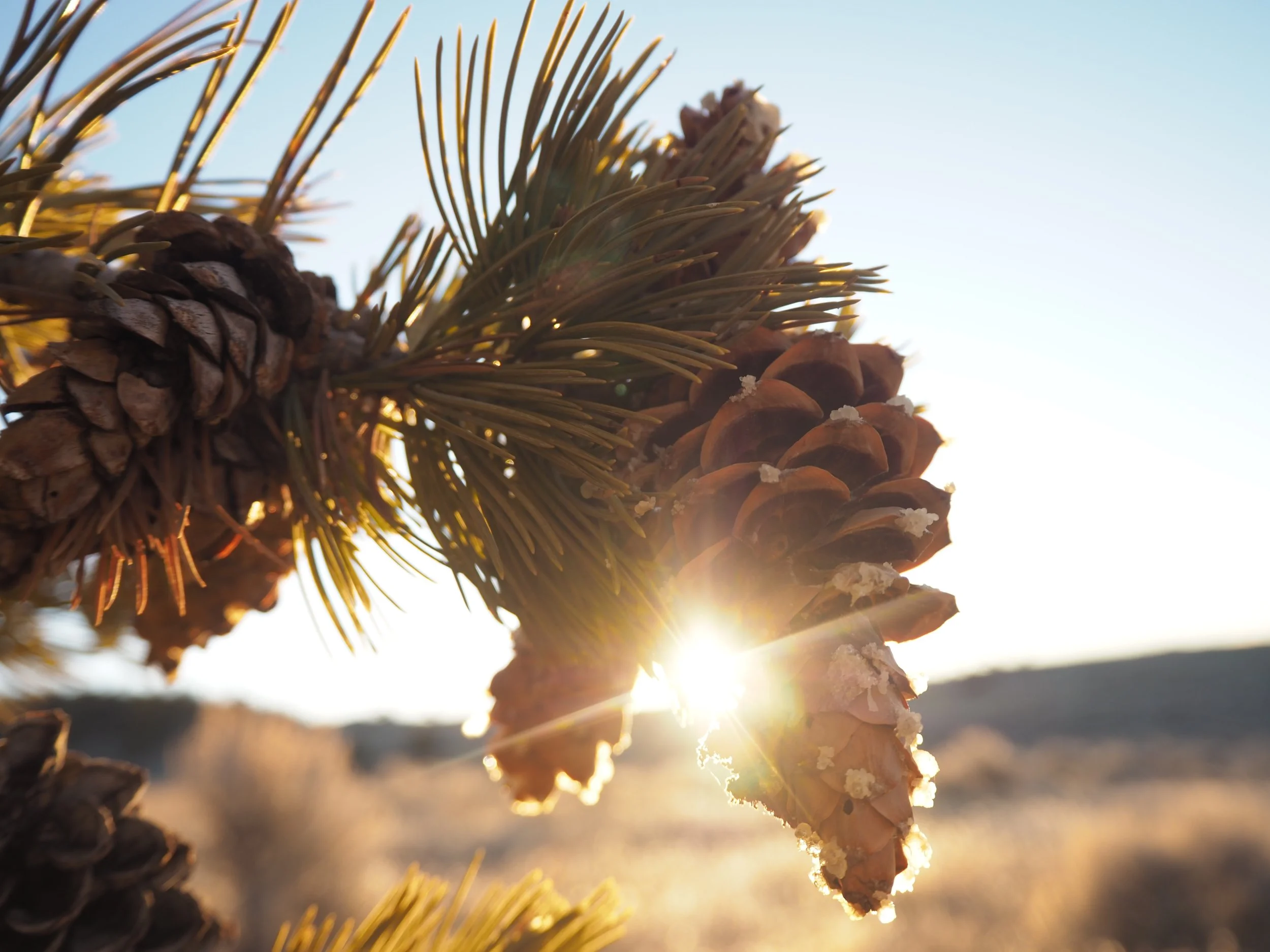
Limber pine (MT)
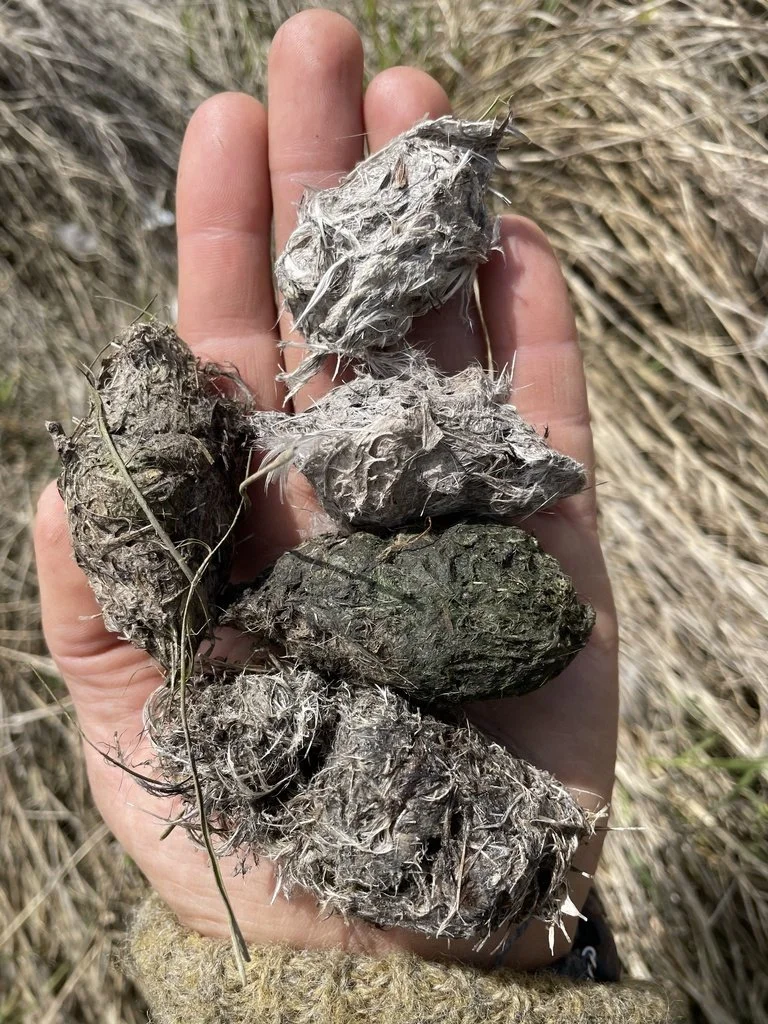
Bald eagle pellets (WA)
What People Are Saying
-
“Our collaboration with Mark was personable, fun, and easy. Mark not only creates a visually stunning product, but he does something else brilliantly: no matter the complexity of an organization’s history or mission, he's able to build an incredibly clear and engaging narrative to present to the world.”
— Casey McFarland, Executive Director - Tracker Certification North America
-
“Mark is a highly skilled naturalist and a dedicated mentor in the art of wildlife tracking. I wholeheartedly recommend him to anyone seeking to enhance their knowledge about ecology, track & sign, or deepen their understanding about the natural world.”
— Jazmen Yoder, Owner & Outdoor Educator - Northwest Natura
-
“Mark immediately stands out as a kind, professional and approachable person. He has a deep knowledge of tracking and the interconnected relationships of an ecosystem. Mark has a knack to explain hard science in a way anyone can learn from him. He explains and reads the landscape intuitively and I am always impressed by his field skills.”
— Kevin O’Malley, Executive Director - South Sound Nature School